Sensory overload can turn a bright, bustling classroom into a stormy sea of noise, light, and movement. When a student’s senses are bombarded beyond their coping capacity, learning can stall, frustration can rise, and even the simplest tasks feel Herculean. In this article we’ll explore what sensory overload looks like in school, why it matters, and how to manage sensory overload during school with practical, evidence‑based strategies. Whether you’re a parent, teacher, or student, the tips below will help keep the classroom calm and the learning flowing.
Understanding Sensory Overload in the Classroom
What Triggers Sensory Overload?
- Bright, flickering lights that buzz like a swarm of bees Unpredictable noise—from the hallway, outside traffic, or a sudden shout Strong smells—canned food, cleaning products, or even the cafeteria’s mystery aroma Crowded spaces that feel like a sardine tin Rapid visual changes—cluttered walls, moving projections, or constantly changing lesson materials
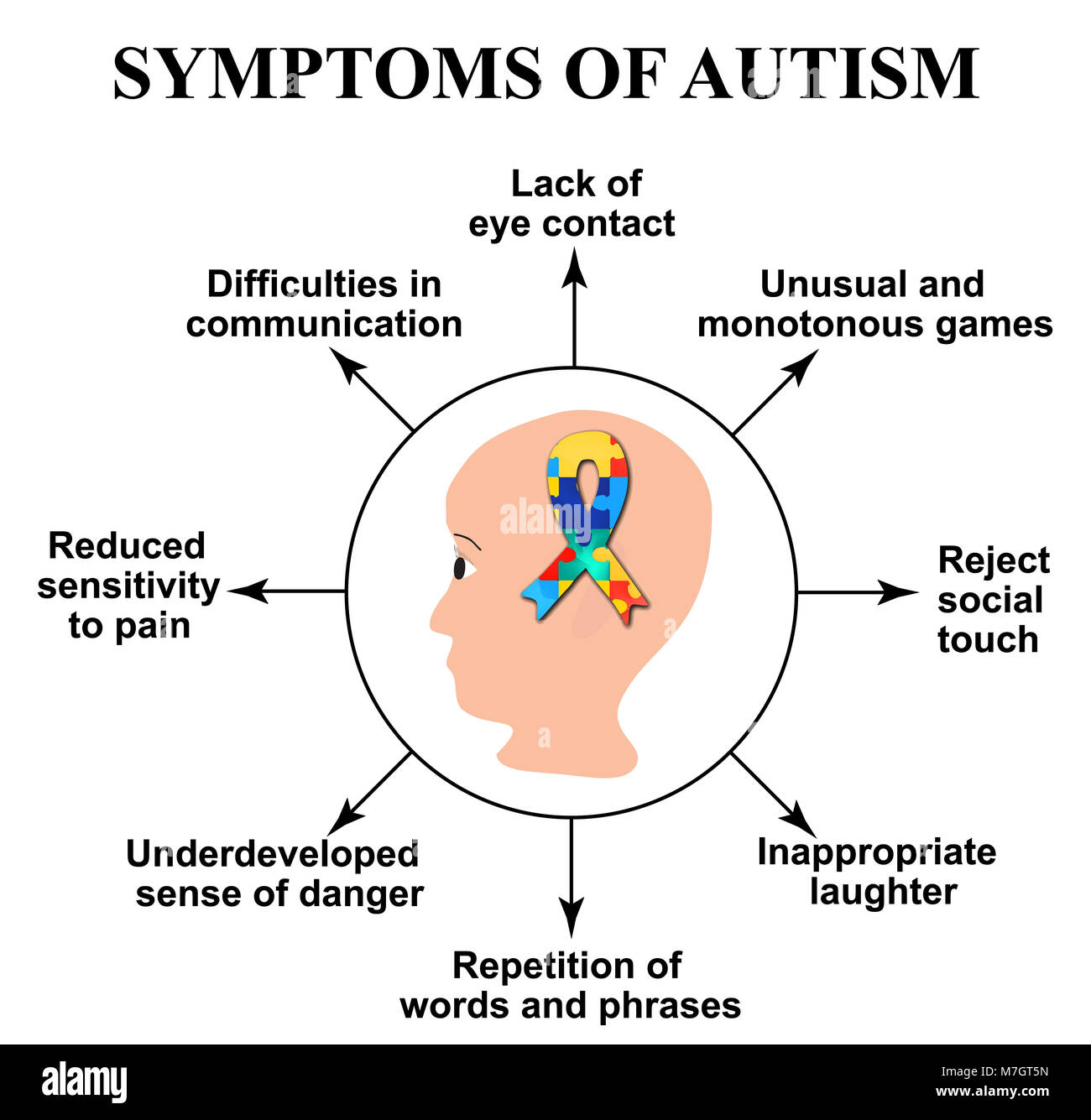
These stimuli can overwhelm a child’s nervous system, especially those with autism, ADHD, or sensory processing disorder. The brain’s “filter” gets clogged, and what should be a simple lesson turns into a sensory marathon.

Signs That a Student Is Overwhelmed
- Sudden withdrawal or silence Reaching for a noise‑cancelling headphone or earplugs Fidgeting, pacing, or repetitive movements Crying or tantrum that feels out of proportion to the trigger Difficulty focusing or completing tasks
If you notice these signs, it’s a cue that the environment or the lesson needs a quick tweak.
Strategies for Students to Cope
Personal Coping Toolkit
Students can benefit from a personalized set of tools that they can access on their own. Think of it as a “stress‑busting survival kit” that’s always on hand.
- Noise‑cancelling headphones or earplugs for sudden noise spikes Fidget toys—spinners, stress balls, or textured fabric Comfort objects—a small blanket or a “magic” stone Breathing exercises—simple 4‑2‑4 counting (inhale for 4 seconds, hold for 2, exhale for 4)
Encourage students to practice these tools at home and bring them to school. It’s like giving them a secret weapon against the chaos.
The Power of a Quiet Corner
Designating a small, low‑stimulus area in the classroom can be a game‑changer. Picture a “calm pod” where a student can retreat for a minute or two. The corner should feature:
- Soft, dimmed lighting Minimal visual clutter A comfortable chair or bean‑bag A few sensory‑friendly items (e.g., a weighted blanket, a small plant)
When a child feels No babbling by 12 months overwhelmed, they can step into this corner, breathe, and return refreshed—much like a quick recharge for their brain.
Classroom Design and Environment
Lighting, Noise, and Visuals
- Use natural light whenever possible; it’s gentler than harsh fluorescents. Install dimmer switches so lights can be adjusted during transitions or intense activities. Place white‑noise machines or soft background music in high‑traffic areas to mask sudden noises. Keep visual clutter to a minimum—use simple, organized displays and avoid overly bright colors.
A well‑designed classroom reduces the number of stimuli a student has to process at once, making learning smoother.
Scheduling and Breaks
- Plan short, frequent breaks—especially after long periods of instruction. Use a visual timer so students know exactly how long the break will last. Encourage movement—stretching or a quick walk can reset sensory input. Schedule less stimulating activities (e.g., art or reading) after high‑energy lessons.
These breaks act like pit stops on a road trip, giving the nervous system a chance to refuel and reset.
Collaboration with Parents and Staff
Communication Tips
- Use simple, clear language when discussing sensory challenges. Ask open‑ended questions: “What triggers your child’s sensory overload?” or “How can we support them during recess?” Share observations in a constructive tone, focusing on solutions rather than blame.
Good communication is the bridge that connects home and school, ensuring consistent strategies for the student.
Individualized Plans
- Create an Individualized Education Plan (IEP) or 504 Plan that includes sensory accommodations. List specific triggers and coping strategies—for example, “student prefers dim lights during math” or “needs a noise‑cancelling headphone during group work.” Review and update the plan regularly—sensory needs can change with growth and new environments.
An individualized plan ensures that every stakeholder knows what to do when sensory overload strikes.
A Real‑World Success Story
Last year, a middle‑school teacher named Maya noticed that one of her students, Liam, would often freeze during science experiments. He’d stare at the bubbling beaker, eyes wide, then quietly retreat to the back of the room. Maya asked Liam’s mother about his reactions at home. The mother revealed that Liam’s Lack of joint attention home environment is quiet and dim, and he uses a small weighted blanket during stressful moments.
Maya decided to implement a “science sensory station” in the classroom—a small, quiet corner with a weighted blanket, noise‑cancelling headphones, and a low‑light setting. She also added a visual timer to indicate when the experiment would end. The next week, Liam was able to complete the experiment, ask questions, and even help his classmates. The class celebrated his success, and Liam’s confidence grew.
Maya’s anecdote illustrates how a few thoughtful adjustments can transform a sensory‑overloaded student into a confident participant.
> “The best teachers are those who listen, adapt, and create a safe space for every learner.” – Anonymous Educator
Turning Overload into Opportunity
Managing sensory overload during school is not just about preventing discomfort; it’s about unlocking potential. When students feel safe and supported, they can engage more deeply, collaborate more freely, and develop resilience that extends beyond the classroom.
- Encourage self‑advocacy: Teach students to recognize their own triggers and communicate them. Promote peer support: Pair students for group work, ensuring that quieter peers have a voice. Celebrate small victories: Every time a student uses a coping tool successfully, acknowledge it.
By weaving these practices into daily routines, schools can transform sensory challenges into learning opportunities, turning a potentially chaotic environment into a vibrant, inclusive community.
---
If you’re a parent, teacher, or student navigating the complexities of sensory overload, start with one small change—perhaps a quiet corner or a simple breathing exercise. Over time, these adjustments will build a classroom culture where every child can thrive, free from the storm of overwhelming stimuli.