When a toddler’s tiny hands seem to move in a rhythm that feels a little off, parents often wonder, “Is this normal, or should I be concerned?” If you’re in Australia and your child is under three, you’re probably looking for a clear path to an autism assessment. This guide walks you through the steps, the system, and the support that can help you turn uncertainty into action—without feeling like you’re chasing a moving target.
Why Early Assessment Matters
A diagnosis before the age of three is like finding a compass in a foggy forest; it gives you direction and confidence. Parents who spot early signs—such as delayed babbling, limited eye contact, or repetitive hand movements—often find that an assessment can unlock a treasure chest of resources that would otherwise remain hidden.
*“Early intervention can dramatically improve outcomes,”* says Dr Helen McCarthy, a child psychologist in Melbourne.
Do you remember the first time you realized your child was a bit different? Maybe it was that moment when your little one stared at a spinning top for an entire minute, or when they refused to use a spoon. Those small clues can become the breadcrumbs that lead to a professional assessment.
What Parents Should Look For
- Communication delays: Not babbling or using single words beyond 12 months. Social engagement: Limited eye contact or a preference for playing alone. Repetitive behaviors: Hand-flapping, rocking, or insistence on sameness. Sensory sensitivities: Overreacting to lights, sounds, or textures.
If you spot one or more of these, consider them as signals rather than alarms—signals that a conversation with a healthcare professional could be worth exploring.
Navigating the Australian Health System
The Australian health system is a mosaic of public and private options, and knowing where to start can feel like trying to find a needle in a haystack. Fortunately, the journey is more structured than it seems, especially when you have a clear goal: how to get an autism assessment for a child under 3 in Australia.
Public vs Private Pathways
| Pathway | Access | Cost | Typical Wait Time |
|---------|--------|------|-------------------|
| Public (Medicare) | GP referral → state-funded specialist | Mostly free | 4–12 weeks |
| Private | Direct appointment with specialist | Out-of-pocket or private insurance | 1–4 weeks |
Choosing the right route depends on your circumstances—whether you prefer the speed of a private clinic or the affordability of a public service.
Role of General Practitioners
Your GP is often the first stop. They can:
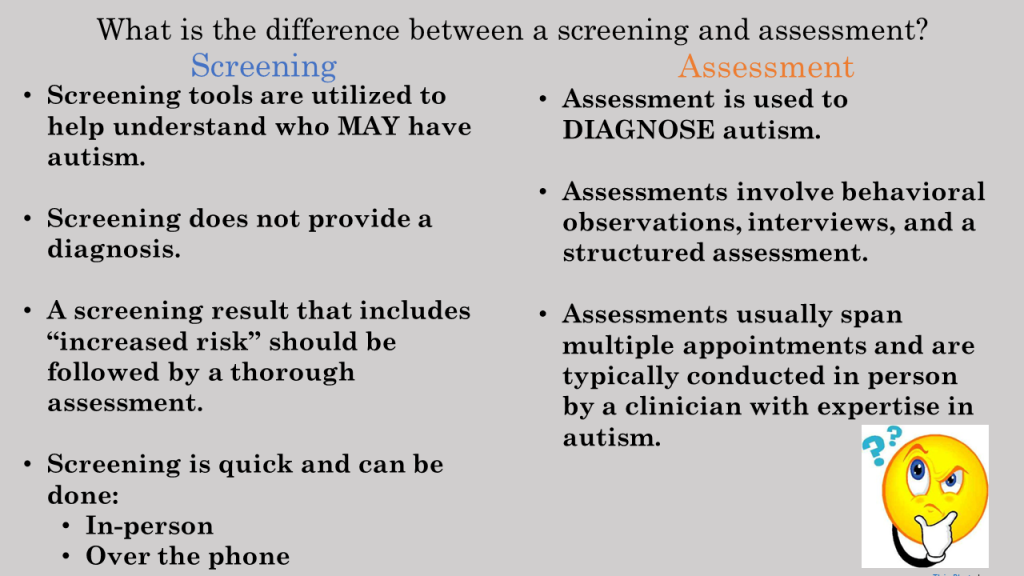
- Conduct an initial screening. Provide a referral to a developmental pediatrician or psychologist. Offer guidance on next steps and available services.
If you’re unsure whether your GP is equipped to discuss autism, ask: “Can you refer me to a specialist who can assess my child for autism?” Most GPs will be happy to facilitate this.
Practical Steps to Secure an Assessment
Step 1: Talk to Your GP
Start the conversation early. Bring a list of observations and any concerns you’ve noted. A GP may perform a brief developmental check—think of it as a quick health checkup for your child’s brain and behavior.
Step 2: Request a Referral
Once the GP agrees, they’ll issue a referral letter. This letter is the key that opens the door to specialist assessment. Keep a copy for your records, and don’t hesitate to ask for a copy if you need it later.
Step 3: Choose the Right Specialist
When you receive the referral, you’ll have a few options:
- Developmental pediatrician: Focuses on medical aspects. Child psychologist: Emphasises behavioural assessment. Multidisciplinary team: Combines medical, psychological, and educational expertise.
Ask your GP or the referral office which specialist is best suited for your child’s needs. If you’re in a rural area, consider telehealth options—many specialists now offer virtual appointments.
Understanding the Assessment Process
The Tools and Tests Used
Autism assessments for toddlers typically involve a combination of:
- Observation: Watching your child in play and routine activities. Standardised tests: Instruments like the ADOS‑T (Autism Diagnostic Observation Schedule – Toddler) or the M-CHAT‑R (Modified Checklist for Autism in Toddlers). Parental interview: Your insights are invaluable; think of it as a treasure map to your child’s behavior.
These tools help specialists paint a comprehensive picture of your child’s strengths and challenges.
What the Report Will Include
After the assessment, you’ll receive a detailed report that covers:

- Diagnosis (if applicable). Strengths and areas needing support. Recommendations for early intervention. Suggested next steps, such as speech therapy or occupational therapy.
Review the report carefully, and ask questions—clarity now can prevent confusion later.
Support and Resources After the Assessment
Early Intervention Programs
autism in girlsAustralia offers a range of early intervention services, often funded through state or territory programs. These can include:
- Speech and language therapy. Occupational therapy. Parent training and support groups.
Early intervention is a game changer; it’s like giving your child a head start on a marathon.
Funding and Financial Assistance
- Medicare Benefits Schedule (MBS): Covers certain therapy sessions. Child Care Subsidy (CCS): May reduce costs for childcare that supports developmental needs. State‑specific programs: Each state has its own funding streams; check your local health department website.
If cost is a concern, ask your specialist about sliding‑scale fees or community resources.
A Path Forward: Turning Insight Into Action
You’ve now seen the map: from spotting early signs, through the GP, to the specialist assessment, and finally to support services. The journey may feel daunting, but remember that every step is a stride toward a brighter future for your child.
As you move forward, keep a few things in mind:
- Stay proactive: Early action often leads to better outcomes. Build a support network: Connect with other parents, join online forums, or attend local support groups. Celebrate small wins: Each milestone, no matter how tiny, is progress.
If you’re ready to take the next step, schedule a GP appointment today. The first conversation can be the most powerful—just like the opening chapter of a story that sets the tone for the rest.